

[fusion_builder_container hundred_percent=”no” equal_height_columns=”no” menu_anchor=”” hide_on_mobile=”small-visibility,medium-visibility,large-visibility” class=”” id=”” background_color=”” background_image=”” background_position=”center center” background_repeat=”no-repeat” fade=”no” background_parallax=”none” parallax_speed=”0.3″ video_mp4=”” video_webm=”” video_ogv=”” video_url=”” video_aspect_ratio=”16:9″ video_loop=”yes” video_mute=”yes” overlay_color=”” video_preview_image=”” border_size=”” border_color=”” border_style=”solid” padding_top=”” padding_bottom=”” padding_left=”” padding_right=””][fusion_builder_row][fusion_builder_column type=”1_1″ layout=”1_1″ background_position=”left top” background_color=”” border_size=”” border_color=”” border_style=”solid” border_position=”all” spacing=”yes” background_image=”” background_repeat=”no-repeat” padding=”” margin_top=”0px” margin_bottom=”0px” class=”” id=”” animation_type=”” animation_speed=”0.3″ animation_direction=”left” hide_on_mobile=”small-visibility,medium-visibility,large-visibility” center_content=”no” last=”no” min_height=”” hover_type=”none” link=””][fusion_text]Cluster flies are very common throughout Great Britain and as autumn approaches and they look for somewhere warm to hibernate for the winter, infestations become more frequent.
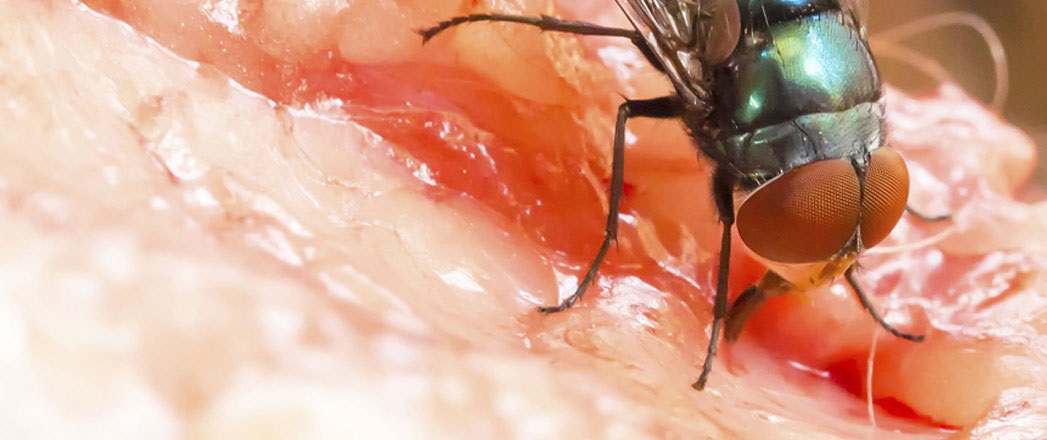
Typically, there are three main species of cluster fly. The Musca Autumalis is often mistaken for the common house fly because they are similar in size and colour, the Pollenia Rudis is larger and is a dull brown/grey colour and finally, the Dasyhora Caynella is also about the same size as a house fly but is easier to recognise because of its distinctive shiny green/blue colour.
The problem with cluster flies is that they tend to gather in large numbers so if you spot one, chances are that you have an infestation.
They are usually found in quiet, undisturbed parts of the home so it can be difficult to know that you have an infestation. They may give off a sickly, sweetish odour if disturbed however so if you notice a strange smell in your house, it could be a sign that they’re present.
Why are cluster flies a problem?
Although cluster flies are perfectly harmless, they’re considered a nuisance because of their tendency to hibernate in homes.
They can also leave tiny dark-coloured spots of excrement on walls or windows. Although this isn’t known to carry any human diseases, it can look unsightly and be difficult to clean. Fibre glass insulation material in lofts can also look unsightly if covered with the bodies of flies that have not hibernated successfully.
Another problem with cluster flies is that if they die in wall voids, they can attract larger bugs such as beetles.
Furthermore, if the loft is home to a hibernating colony of flies, first-floor lighting diffusers or sunken spotlight lenses can become full of dead or dying flies. This often occurs in houses where the loft area has been converted into a living room. Like birds, cluster flies return to roof spaces previously occupied so re-infestation is almost inevitable.
How to prevent and get rid of cluster flies
Cluster flies are often found in lofts, roof spaces and south-facing walls so make sure you inspect these areas on a regular basis.
They can enter your home through the smallest of cracks around door and window frames or through other tiny unsealed openings. The best way to stop them entering your home is to fill any cracks and crevices in walls, window or door frames with caulking. Also, try to keep windows and doors closed in the autumn because this is when they’re looking for somewhere warm to hibernate.
Try to install insect screening or mosquito nets over air vents in soffits. It may also be useful to have netting on windows and doors if you like to let in the fresh air.
Please note that there is a high probability that bat species will dwell in the same areas used by cluster flies. It’s an offence to disturb bats, with resulting fines or even custodial sentences so a thorough survey from a pest professional should be undertaken.
If you think that you may have a problem with cluster flies, please feel free to contact Prokill and we will be more than happy to help.
If you think you may have a pest infestation, please contact Prokill and we’ll send one of our experts out to assess the situation.
[/fusion_text][/fusion_builder_column][/fusion_builder_row][/fusion_builder_container][fusion_builder_container admin_label=”” hundred_percent=”no” equal_height_columns=”no” menu_anchor=”” hide_on_mobile=”small-visibility,medium-visibility,large-visibility” class=”” id=”” background_color=”#33074f” background_image=”” background_position=”center center” background_repeat=”no-repeat” fade=”no” background_parallax=”none” enable_mobile=”no” parallax_speed=”0.3″ video_mp4=”” video_webm=”” video_ogv=”” video_url=”” video_aspect_ratio=”16:9″ video_loop=”yes” video_mute=”yes” video_preview_image=”” border_size=”” border_color=”” border_style=”solid” margin_top=”10px” margin_bottom=”10px” padding_top=”10px” padding_right=”10px” padding_bottom=”10px” padding_left=”10px”][fusion_builder_row][fusion_builder_column type=”1_1″ layout=”1_1″ spacing=”” center_content=”no” hover_type=”none” link=”” min_height=”” hide_on_mobile=”small-visibility,medium-visibility,large-visibility” class=”” id=”” background_color=”” background_image=”” background_position=”left top” background_repeat=”no-repeat” border_size=”0″ border_color=”” border_style=”solid” border_position=”all” padding=”” dimension_margin=”” animation_type=”” animation_direction=”left” animation_speed=”0.3″ animation_offset=”” last=”no”][fusion_separator style_type=”none” hide_on_mobile=”small-visibility,medium-visibility,large-visibility” class=”” id=”” sep_color=”rgba(224,222,222,0)” top_margin=”20″ bottom_margin=”20″ border_size=”” icon=”” icon_circle=”” icon_circle_color=”” width=”” alignment=”center” /][fusion_text]
Have you got a Cluster Flies problem on your premisies? Call us on 0800 329 9354
[/fusion_text][/fusion_builder_column][/fusion_builder_row][/fusion_builder_container][fusion_builder_container hundred_percent=”no” equal_height_columns=”no” menu_anchor=”” hide_on_mobile=”small-visibility,medium-visibility,large-visibility” class=”” id=”” background_color=”” background_image=”” background_position=”center center” background_repeat=”no-repeat” fade=”no” background_parallax=”none” enable_mobile=”no” parallax_speed=”0.3″ video_mp4=”” video_webm=”” video_ogv=”” video_url=”” video_aspect_ratio=”16:9″ video_loop=”yes” video_mute=”yes” video_preview_image=”” border_size=”” border_color=”” border_style=”solid” margin_top=”” margin_bottom=”” padding_top=”” padding_right=”” padding_bottom=”” padding_left=””][fusion_builder_row][fusion_builder_column type=”1_1″ layout=”1_1″ spacing=”” center_content=”no” hover_type=”none” link=”” min_height=”” hide_on_mobile=”small-visibility,medium-visibility,large-visibility” class=”” id=”” background_color=”” background_image=”” background_position=”left top” background_repeat=”no-repeat” border_size=”0″ border_color=”” border_style=”solid” border_position=”all” padding=”” dimension_margin=”” animation_type=”” animation_direction=”left” animation_speed=”0.3″ animation_offset=”” last=”no”][fusion_separator style_type=”none” hide_on_mobile=”small-visibility,medium-visibility,large-visibility” class=”” id=”” sep_color=”rgba(224,222,222,0)” top_margin=”20″ bottom_margin=”20″ border_size=”” icon=”” icon_circle=”” icon_circle_color=”” width=”” alignment=”center” /][fusion_text]
Contact your local branch
[/fusion_text][fusion_code]W2NvbnRhY3QtZm9ybS03IGlkPSZxdW90OzIxMzImcXVvdDsgdGl0bGU9JnF1b3Q7UHJva2lsbCAtIE1haW4gQ29udGFjdCBGb3JtJnF1b3Q7XQ==[/fusion_code][/fusion_builder_column][/fusion_builder_row][/fusion_builder_container]




Leave a Reply