
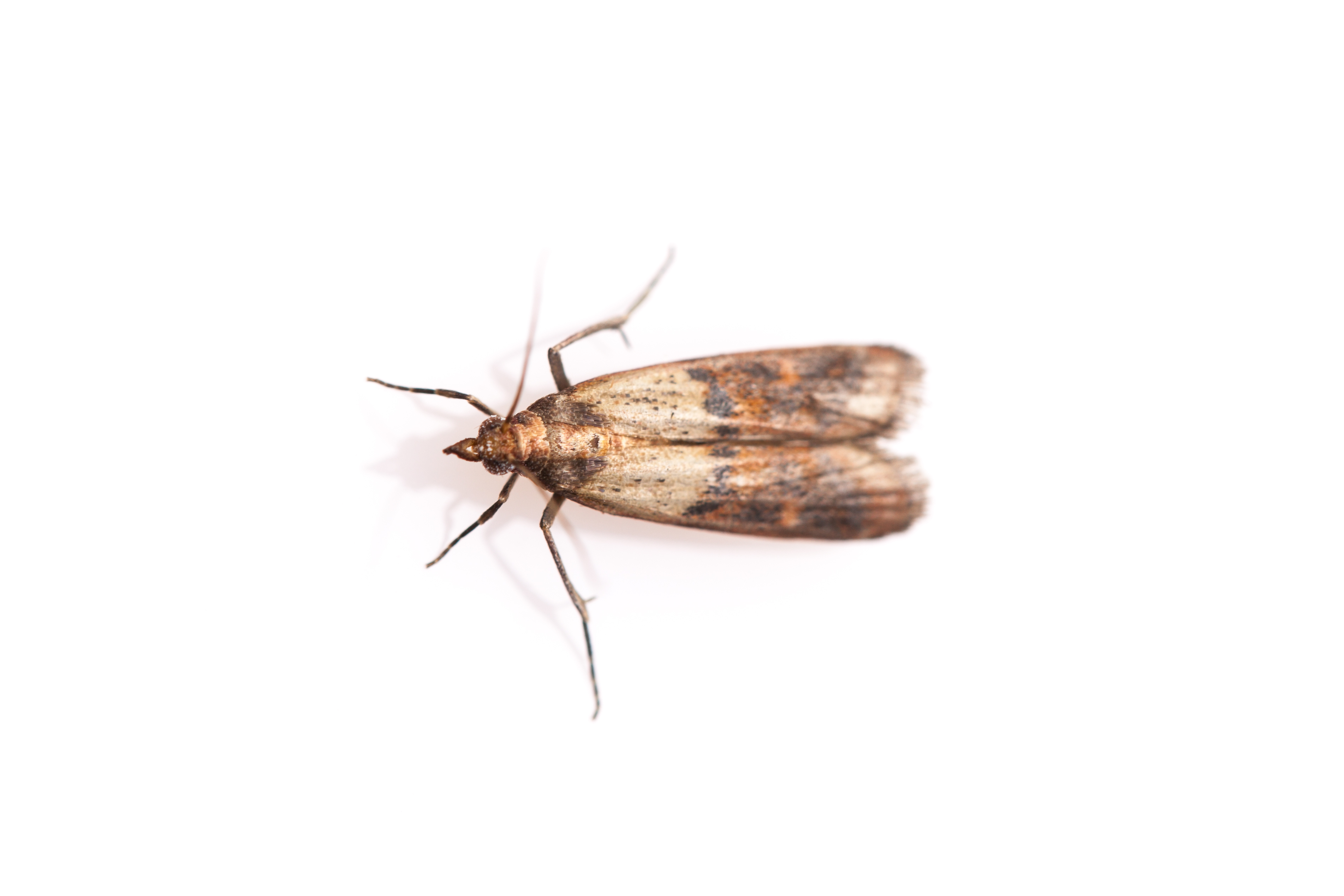

Of all the pests, moths are probably the one we’re most tolerant of. In fact, many people might not even know that moths are classified as a pest or if they may need a moth pest control service.
While they may seem pretty harmless, below we discuss why moths in your home or office can actually be very problematic.
Infestations can manifest quickly
Moths can lay as many as 300 eggs at a time which can hatch in as little as seven days.
Not only do moth infestations increase quickly, they can also spread into almost any space. Wherever there are cracks, holes or crevices, moths will use this space as a refuge. Once a food source has been located, they’ll very quickly set up a large camp nearby.
What’s more, once they’ve established themselves in your home, they can quickly spread to other parts of the house. If an infestation isn’t identified and eradicated quickly, moths can cause widespread destruction to many household items over a short period of time.
They can make us ill
Moth faeces and cocoons can contaminate our food and when we then consume these items, it can cause illness. Some types of moths can also cause dermatitis which can lead to swelling, small red bumps, itchy skin and redness.
They can cause allergies
Touching foods or fabrics which have been contaminated by a moth problem can trigger an allergic reaction in some people. Although moths don’t bite, it’s their wings which cause the problem. They’re covered in tiny scales which fall off when they come into contact with other objects. They then become an airborne allergen. Their faecal matter and direct contact can also cause allergies.
They cause damage
Often, the first sign of a moth infestation is damage to clothes, fabrics and carpets. Although moths don’t actually eat these items, it’s their larvae that does all the damage. The more damage there is to fabrics, the longer the infestation has been present.
Signs of a moth infestation
- You may not even notice you have a moth problem at first because they’re generally found in dark, undisturbed places. Have a thorough look under sofas, chairs, furniture, carpets and underlay, look in drawers and check between floorboards and skirting boards and even in bird and wasp nests.
- Damage to clothing – commonly wool, cashmere, alpaca, angora, silk and leather. This will look like irregular holes and the size will depend on how long the moth larvae have been left undisturbed.
- If garments have been stained with food or perspiration and haven’t been washed, moths may go for these materials too.
- Damage to rugs and carpets.
- Food moths will typically find open packets of dried food such as flour, cereal and grains. You may notice their larvae in these food items (it will be white or pink, possibly with a dark head depending on the type of moth).
- You may notice small maggot-like larvae or silken tubes (cases) in which the moth larvae live.
If you think that you may have a moth infestation, please get in touch with Prokill and one of our experts will be more than happy to help.
To find out more, head over to our moth pest control page. Alternatively, you can get in touch to book your free, no obligation pest audit, complete our online form or call us on 0800 328 9354.


Leave a Reply