
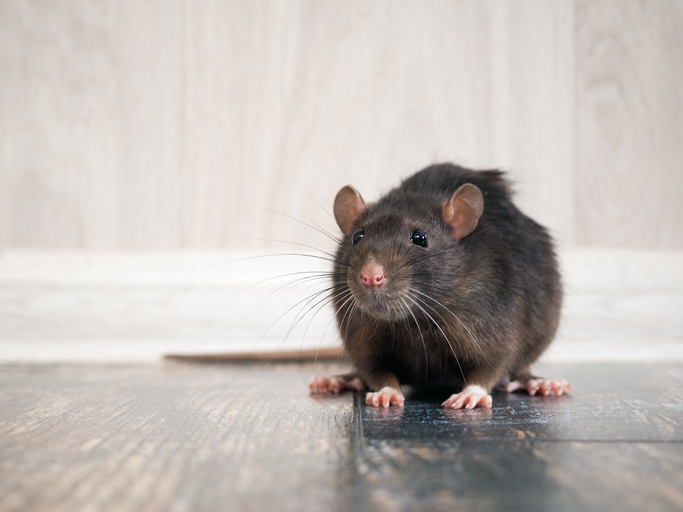

You hear scurrying, there are suspicious droppings on the floor and you’ve even noticed strange grease stains all over the place. It’s official, you have a dreaded rat infestation.
Whether your first instinct is to set traps, fumigate the place or pack your bags and relocate, it’s important that you do act fast if you notice any signs of rodents.
Aside from the fact that rats carry a number of nasty diseases which can be passed on to humans including Salmonella, Listeria, Leptospirosis and Weil’s disease, they breed at an alarming rate. Just one pair of rats can produce up to 800 babies in their lifetime so as you can imagine, infestations get out of hand very quickly if ignored.
Because rats will happily gnaw on anything, it also means they pose a serious fire risk. They’re well known for chewing the insulation around electrical cables and the insurance industry estimates that they’re responsible for 25% of all electrical fires.
So what should you do if you have rats?
Remove any food sources
The first thing you should do if you have any kind of rat pest control problem is to remove any potential food sources. Aside from shelter, a nice easy meal is the main reason rats come into our homes or offices in the first place.
If you make it impossible for them to find any food however, you can guarantee they won’t stick around for long. Unfortunately, they will eat just about anything so it’s important to be incredibly vigilant.
- Wipe up any spills or crumbs immediately
- Hoover regularly
- Keep any open food items in a tightly sealed container
- Clean cupboards regularly
- Store rubbish in a bin with a lid which closes tightly
- Don’t leave pet food out for too long
- Check for leaky pipes and taps because this provides a source of water for rats
- Try to store bins, bird feeders and compost away from your home
Seal any openings
This might seem counter-intuitive if you know you already have them but rats need a lot of water to survive so they will often travel in and out of your house. Seal up any potential entry points so you can contain the infestation, stop more from coming in and prevent future outbreaks.
Rats can fit into surprisingly small gaps (about half an inch) so it pays to be overly cautious. Some of the most common ways these rodents get into buildings include:
- Vents
- Doors
- Windows
- Walls
- Roofs (especially fascias and wherever an eave meets the roof)
- Plumbing stacks
- Air conditioning units
- Pipes
- Power line entry points
Call a professional pest controller
The best thing to do with any infestation is to call a professional pest controller. They’re skilled at knowing exactly how to eliminate problems quickly and effectively and will be able to show you how to prevent future outbreaks.
Give Prokill a call and you will receive:
- A free pest control audit which will enable us to assess the type and size of the infestation in your home or business
- A discreet and reliable service from qualified technicians who are certified with the British Pest Control Association
- Your very own local pest controller. We’ll pair you up with a local expert because this ensures they know the most common infestations in the area and how to eradicate them
- Prevention tips for the future
- Environmentally friendly pest control
If you have a rat infestation, please don’t hesitate to get in touch with Prokill. We’ll put you in touch with your local pest controller who will be able to contain the problem quickly and safely. Alternatively you can call us on 0800 328 9354 with any questions at all.




Leave a Reply