

As winter officially draws to a close, clothes moths start to become a big problem in March. Below we share everything you need to know including what these insects are, how to spot the signs of an infestation and how to prevent them making their way into your home.
What are clothes moths?
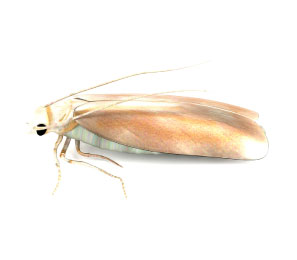
Clothes moths are small, ½ inch insects which are beige or buff-coloured. They have narrow wings which are fringed with small hairs. They’re seldom seen because they avoid light which can make them difficult to detect.
These moths are pests because they destroy fabric and other materials. They feed exclusively on animal fibres such as wool, fur, silk, feathers, felt and leather which is why they’re often found in wardrobes.
What are the signs of clothes moths?
People often don’t realise they have a problem with clothes moths because these creatures prefer dark, undisturbed areas such as wardrobes, attics and quiet rooms.
Keep an eye out for the following signs which may indicate that you have an infestation.
• Unexplained damage (such as holes, staining or moisture) to clothing. This most frequently occurs in knitwear, silk or leather garments
• You may spot the physical signs of moths but this really will require some detective work. Their eggs are very small and are usually found in dark, undisturbed areas of drawers, wardrobes or even skirting boards. While adult moths are a bit bigger, they can fit into very tight crevices so can be hard to spot unless you catch them in flight
• Larvae cases around the home
• If you have a heavy infestation, moths may fly out of your wardrobe when you open it
• Webbing, similar to spider webs may be present. These often contain pupal cases
• Small piles of dust or frass at the bottom of wardrobes and under chairs, beds and fabric-covered furniture
• Unexplained damage to carpets
How do I prevent a clothes moth infestation?
If you’ve already spotted an infestation, do a thorough clean of any clothes you decide to keep. Dry cleaning is the most effective way to kill moth larvae and will help to prevent further damage.
Alternatively, you can put clothes in a hot wash (check labels first as some materials such as wool will shrink at high temperatures.) If clothing is very badly damaged, you will probably have to throw them away if you really want to contain the infestation.
Whether you’ve suffered an outbreak of clothes moths before or you have an impressive wardrobe you want to protect, there are a number of steps you can take to prevent an infestation occurring in the first place.
• Thoroughly vacuum carpets on a regular basis. It’s also worth using a carpet steamer every once in a while (don’t forget to do any carpeted areas inside cupboards)
• Check dark, quiet areas such as wardrobes, corners and crevices on a regular basis
• Store items made from animal fibres in tightly sealed plastic storage bins or compression bags
• Suits, dresses and other hanging clothes can be kept in garment bags. Ensure these are sealed and don’t have any holes
• Avoid storing clothes in fabric containers because moths can eat through these
• Frequently open drawers and cupboard doors and move things around because these pests hate both light and movement
If you need help dealing with a clothes moth infestation or would like advice for prevention, please don’t hesitate to get in touch with the Prokill team via our online contact form or on 0800 328 9354 and speak to someone today.




Leave a Reply