
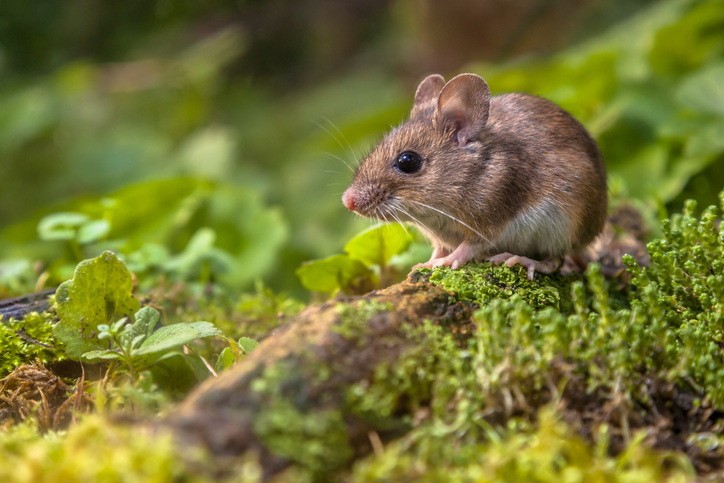

While demands for effective rodent control are higher than ever, concerns have been raised about the effect this is having on innocent wildlife. As a result of this, the Campaign for Responsible Rodenticide Use (CRRU) was introduced a few years back.
The campaign promotes the safe use of rodenticides, ensures that chemicals are used correctly and teaches users to minimise exposure to wildlife and other non-target animals which are accidentally being exposed to these products.
All user groups are encouraged to follow the CRRU code including professional pest controllers, farmers and game keepers. If you fall into one of these categories, what impact will this have on you?
You need to have a planned approach
The CRRU code highlights the following points in relation to preventing infestations from occurring in the first place:
• Obvious food spillages should be cleaned up immediately and food sources should be covered
• Environmental factors that could reduce the attractiveness of your site to rodents should be implemented. This may include installing rodent proofing, removing food sources or getting rid of weeds which could be providing cover
• If you do require treatment for a pest infestation, a thorough survey of your site should be undertaken before rodenticides are used
You need to keep detailed documents
You need to keep a simple site plan or location list which identifies areas of particular concern. A record of all bait points and the amount of bait laid should be maintained during the treatment. Activity should be noted at each bait point, including any missing or disturbed baits as the treatment progresses.
By carefully recording the sites of all bait points, your responsible pest controller will be able to return to these sites at the end of the treatment and remove uneaten bait so that it does not become available to wildlife.
Correct procedures need to be followed when using rodenticides
When using rodenticides, you should follow the label instructions correctly with regards to the size and frequency of bait points. This is important because when laid down correctly, the treatment will be more efficient and in the shortest time possible. This keeps the risk of exposure to non-target animals to a minimum.
Captured rodents must be disposed of
It’s important that the bodies of any captured rodents are disposed of correctly because they may contain residues of rodenticides which can be passed on to other wildlife if eaten.
Carry out regular inspections for rodent bodies both during and after treatment. If you find any, they must be disposed of safely using the methods recommended on the label of the product that was used.
Non-target animals must be protected
When using rodenticides, care should be taken to ensure that bait is sufficiently protected to avoid accidentally poisoning other animals. Natural materials should also be used where possible.
Bait stations should be appropriate to the prevailing circumstances. They should provide access to the bait by rodents, while reducing the risks of non-target access and interference by unauthorised persons.
More information about CRRU can be found on the Think Wildlife website. Alternatively, please don’t hesitate to contact Prokill for further details or to find out how we’re complying with CRRU regulations.




Leave a Reply