
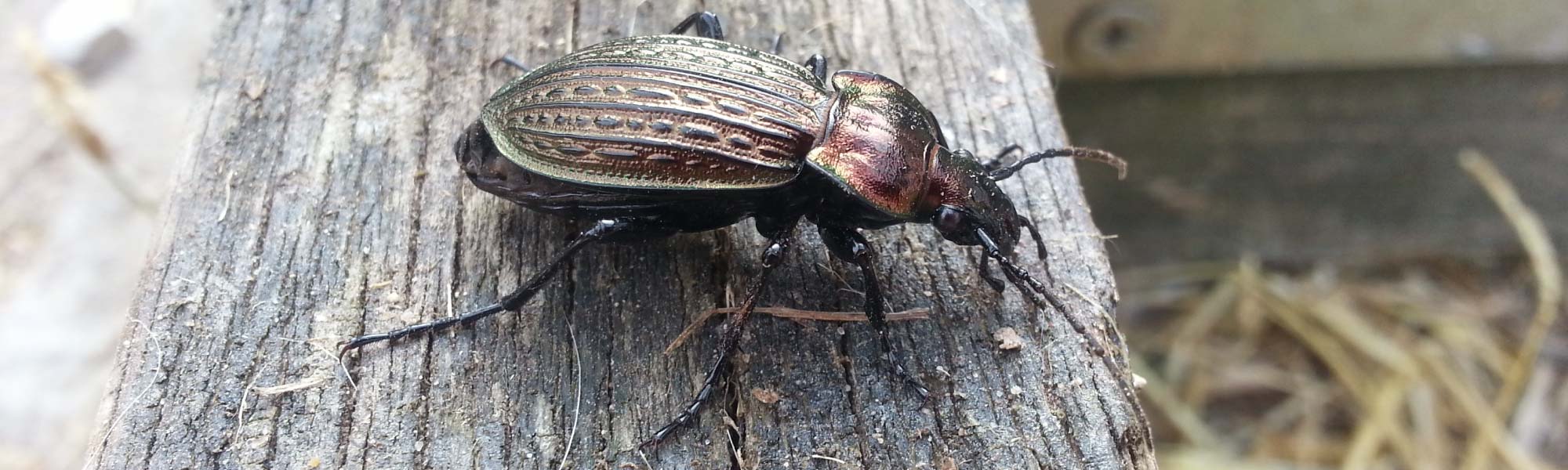

Beetles are one of the many insects that are incredibly adaptable. This means that while a lot of pests can’t survive the cold winter months, these creatures are perfectly capable of making it through to spring.
In order to survive the winter, beetles go into a state of diapause – the inactive state of arrested development. Similar to hibernation, insects preparing to enter diapause will try to seek some kind of shelter from the cold. That often means burrowing underground, finding shelter in trees trunks and under rocks or, quite possibly, even seeking refuge in the comfort of your home. Time for the help of a beetle pest control service?
Though diapause is an adaptation to survive the winter, temperature is not the main factor that triggers it. Instead, shorter days in the lead-up to winter help signal to the insects’ bodies that it’s time to get ready for dormancy. During this time, an insect’s metabolic rate drops dramatically which enables it to use stored body fat in order to survive the freezing temperatures. It’s not until it starts to warm up again that insects will come out of diapause.
Believe it or not, many insects who are in diapause can survive even if their body temperature drops to below freezing. They do this by making their very own antifreeze. In diapause, insects’ bodies produce different types of alcohol and the alcohol in their system lowers the freezing point of their body fluids. This natural antifreeze lets many insects survive winter’s below-freezing temperatures and wake up to enjoy the warmer temperatures and abundance of food once spring returns.
Why are beetles classified as pests?
Beetles are considered to be a pest because if an infestation is left untreated, these creatures can cause significant damage to your home or business premises. One of the most obvious signs you may have some unwanted visitors include damage to clothes, carpets, wood or food items. Because some of the larvae have hairs which can be an irritant to some people, they can also cause skin irritations which can be bothersome.
Another reason why beetles can be problematic is because of how fast they can bread. A carpet beetle for example, can lay eggs up to 100 eggs at a time and they can hatch in as little as two weeks which means that even a small population can get out of control very quickly.
The main types of beetles you’re likely to encounter in the UK include:
• Biscuit beetle
• Carpet beetle
• Death watch beetle
• Furniture beetle (commonly known as woodworm)
• Ground beetle
• Larder beetle
• Longhorn beetle
• Plaster beetle
• Spider beetle
More information about all the different types of beetles, how to identify and get rid of them can be found on the British Pest Control Association website.
For more information about beetles or any other pests, please feel free to contact Prokill and we will be more than happy to help. Our accredited experts will be happy to provide you with a free, no obligation quote. What’s more, because we have a team of local experts, you can rest assured that there won’t be any long waiting times to get an appointment. Complete an online enquiry form or call us on 0800 328 9354.


Leave a Reply