


A pest is classed as an animal which could be harmful to humans. They may for example damage crops, livestock or forestry, cause a nuisance by invading homes and work spaces or cause illness by spreading disease.
There are four different types of pests – rodents, insects, birds and wildlife. Below we discuss a little more about each, what the signs of infestation are and how you can prevent them.
Rodents
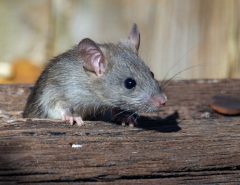
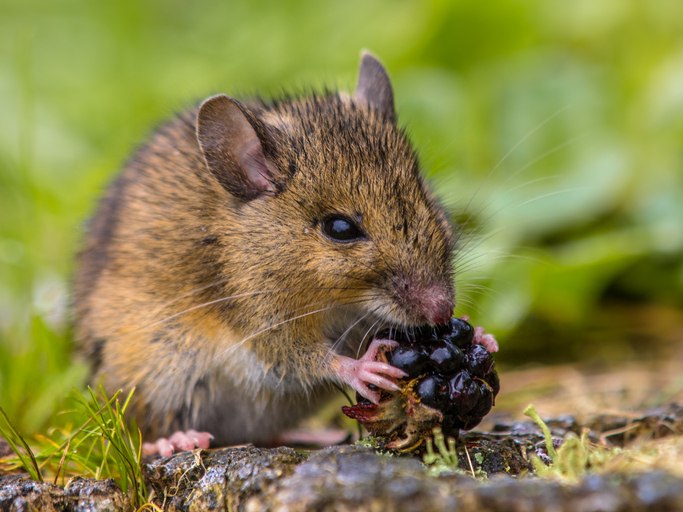
Rats and mice are one of the more unpleasant infestations. Nobody likes the thought of rodents being nearby, especially because their numbers can multiply very quickly, they cause significant damage to properties and they pass on diseases to humans.
Signs of a rodent infestation:
• Droppings
• An unusual odour (similar to urine or a damp, musky smell)
• Unexplained holes in materials
• Nests
• Scratching noises, especially at night
• Gnaw marks on furniture or tracks on the floor or skirting boards
• Footprints. You can test this by sprinkling flour or talcum powder in the areas you think they’re frequenting. It’s better to do this at night because rodents are more likely to venture out when nobody is around
• If your pet is putting its nose inside crevices for longer and more often than usual or they’re suddenly constantly on the hunt for something, it could be because you have rodents
How to prevent a rodent infestation
• Keep windows and doors closed
• Fill potential entry points no matter how small they are. Also check the less obvious entry points such as behind kitchen cabinets, gaps between windows and doors and around vents and pipes.
• Trim branches that hang over your roof
• If you have a cat flap, ensure it’s one where only your pet can gain access through a special collar
• Remove food sources by storing products in containers rather than packets which are easy to get into, make sure rubbish is secured in bins with a tight-fitting lid, clean up food spills immediately and hoover regularly
• Keep your garden clean. Make sure toys and furniture are stored away, leaves are raked up and thrown away and overgrown bushes are trimmed. If you keep firewood, store it away from your home
Insects
Insects are difficult to control because there are so many of them. Although you’re always going to get them, the last thing you want it a full-blown infestation.
Signs of an insect infestation:
• If you have an infestation, you’re likely to spot more insects than usual crawling or flying around. Also check hidden areas such as within cracks and crevices of shelves (especially if they’re made from wood)
• Insect remains including whole carcasses, body parts and cast skins
• Droppings (many look like poppy seeds)
• Piles of fine dust or powder
• If you have larger insects, you may also hear noises such as scratching or scurrying. These will typically come from the insides of walls or the loft
How to prevent an insect infestation
• Clean regularly. Insects tend to gravitate towards mess because it can act as a food source and a good hiding place. Wipe down kitchen surfaces regularly, vacuum at least once a week, ensure that all bins (both inside and outside) and covered and sealed and declutter
• Remove food sources such as fruit and open cereal boxes on countertops. Clean away pet food bowls and any debris they’ve left as soon as they’ve finished eating
• Remove water sources (such as sinks filled with water and leaking pipes). As well as providing a way for insects to stay hydrated, it also serves as a breeding ground
• Install window screens so you can open windows without bugs flying in
Birds
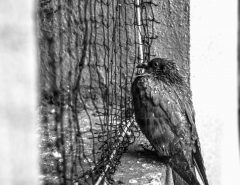
Although many of us actively encourage birds to come to our gardens, they can be problematic for many reasons. They carry diseases, their droppings damage buildings and can be a trip hazard, their nesting materials block gutters, they’ve been known to bring back lit cigarettes to their nests which is a fire risk and they can attack humans if they feel the need to protect their young. How to spot the signs of a bird infestation
• They’re settling on roofs or ledges
• Continuous bird cries
• Nesting materials are strewn about your premises
• Damaged stock, from pecking and bird fouling
• You notice droppings which are concentrated in areas where birds roost
How to prevent a bird infestation
• Remove food sources. This includes bird feeders, pet food, compost bins, rubbish bins which don’t have a tightly fitted lid and food debris from outdoor eating areas. Also check your roof for potential food sources
• Install deterrents. Usually used for pigeons, spikes and barriers over window ledges are a great deterrent for any type of bird. Netting and sloped sheathing are also great because once they’re in place, birds physically won’t be able to settle around your property
Wildlife
When we talk about wildlife, we’re generally referring to foxes, moles, rabbits and squirrels.
The signs of infestation will depend on the creature in question. A mole for example will leave mounds and cause great damage to your lawn, whereas a fox wouldn’t do this.
Preventing an infestation will also vary depending on the creature but generally, you should always try to:
• Remove food sources
• Trim tree branches which hang over the roof
• Spray natural repellents in your garden
• Keep outside areas free of clutter
• Extend your fence above and/or below ground
• Fill your garden with plants that these pests don’t like
Please be aware that under The Campaign for Responsible Rodenticide Use (CRRU), there are strict rules when it comes to applying rodenticides outside. This is because they can be highly toxic and need to be used correctly to ensure that wildlife and other non-target animals like pets are kept safe.
If you have a problem with wildlife in a domestic or business premises, please contact a professional pest controller. You can find out how Prokill adheres to CRRU rules here.
If you need help eliminating any form of pest infestation, please don’t hesitate to get in touch with Prokill and one of our expert technicians will be on hand to help.


Leave a Reply